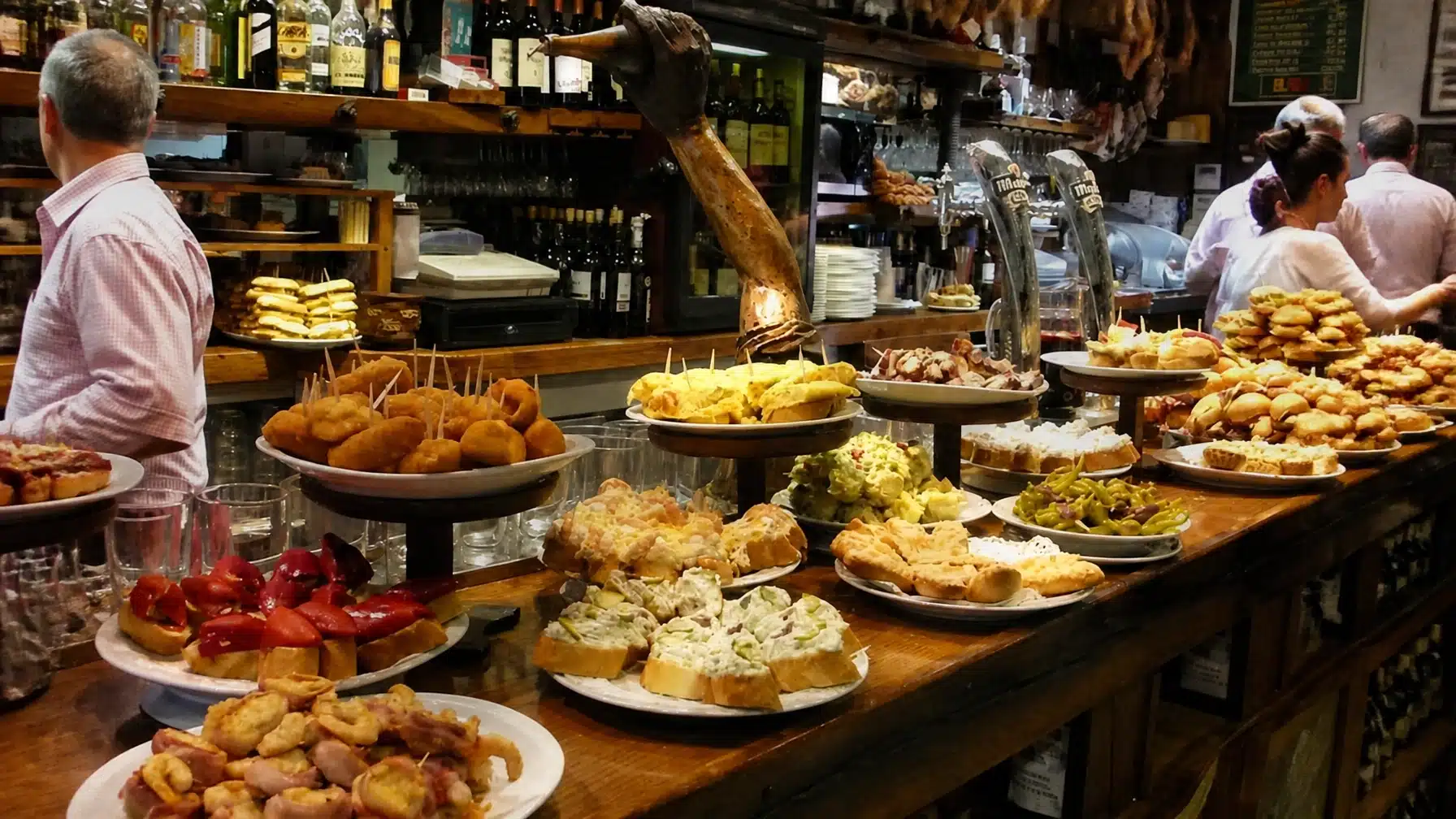
It looks like tapas have always been part of Spanish food culture. The history is less certain.
Tapas are small portions of food served with drinks. They can include olives, cheese, cured meats, seafood, vegetables, bread, or cooked dishes. Some are served free with a drink. Others are ordered from a menu.
Tapas are now found across the world. Their popularity comes from a simple format: several small dishes, shared at the table, with no fixed order or formal structure.
What does “tapas” mean?
The Spanish word tapa means “cover” or “lid”. It comes from the verb tapar, meaning “to cover”.
The most practical explanation is that food was once placed over a glass of wine or sherry. The cover helped protect the drink from dust, insects, and other contamination. Bread, cheese, ham, or another small item could serve this purpose.
The food was then eaten.
This explanation connects the name to a real physical action. It does not identify one inventor or one specific date. Early bar customs were rarely documented in detail, so the exact beginning of tapas remains unclear.
The Real Academia de Gastronomía account of tapas treats the history as a combination of practical customs, regional traditions, and later stories.
The stories about kings
Several stories explain how tapas began. They are widely repeated, but they should be treated as legends rather than confirmed history.
Alfonso X and the small snack
The best-known story concerns King Alfonso X of Castile, who ruled during the 13th century.
According to the story, the king became ill and was advised to eat small portions of food with wine. After recovering, he supposedly ordered taverns to serve wine with food. The idea was to reduce the effects of drinking alcohol on an empty stomach.
This story explains why food might have been served with wine. However, there is no widely accepted primary document confirming that Alfonso X introduced a formal tapas law.
It remains an important cultural story. It is not established fact.
Alfonso XIII and the covered glass
Another story involves King Alfonso XIII during a visit to Cádiz in the early 20th century.
The weather was reportedly windy. A waiter placed a slice of cured ham over the king’s glass of sherry to keep sand out of the drink. The king asked for another drink “with the cover”, or tapa.
This story may explain the word’s popularity. It also fits the meaning of tapa. However, it has not been proven as the single origin of the tradition.
Other versions involve the Catholic Monarchs, tavern owners, and drivers who were required to eat before drinking. These stories share the same basic idea: drinks were covered with food, and the food became part of the experience.
What is more likely to have happened?
Tapas probably developed gradually.
Andalusia is often linked to the tradition, especially the sherry-producing areas around Jerez, Cádiz, and Sanlúcar de Barrameda. Wine, sherry, bread, cured meat, olives, and preserved foods were already part of everyday eating in the region.
People needed food that was inexpensive, easy to serve, and suitable for eating between meals. Workers and farmers could eat a small amount with wine without stopping for a full meal.
Bars also provided a natural setting for this habit. A small snack could protect a drink and give customers a reason to stay longer.
This type of food culture rarely begins through one official decision. It usually develops through repeated daily practices. A small bite becomes customary. A customary snack becomes a bar service. The service then takes on a name and a social meaning.
Some historical records even complicate the idea of a universal royal rule. Accounts of regulations in places such as Seville during the 16th and 17th centuries suggest that food and alcohol were not always served together. This makes a single national decree unlikely.
The most reasonable conclusion is that tapas emerged from several influences:
- Practical bar service.
- Andalusian wine and sherry culture.
- Small meals eaten between larger meals.
- Working-class eating habits.
- Mediterranean traditions of serving several foods.
- Jewish and Arabic influences on Spanish food culture.
The result was not one original dish. It was a way of eating.
Tapas across Spain
Tapas do not look the same everywhere in Spain.
In some cities, a small tapa is served with a drink. In other places, customers order each dish separately. Portions can be very small or large enough to share.
Common examples include:
- Olives and marinated vegetables.
- Spanish tortilla.
- Croquettes.
- Fried seafood.
- Cured ham and cheese.
- Grilled peppers.
- Garlic prawns.
- Meatballs in sauce.
- Bread with tomato.
- Mushrooms and seasonal vegetables.
The Basque Country has its own related tradition called pintxos. Pintxos are often served on bread and held together with a small skewer. They are connected to the broader culture of eating small portions in bars, but they are not identical to tapas.
This regional variation is important. Tapas are not a strict list of recipes. The term describes a flexible format shaped by local ingredients and local customs.
Why did tapas become popular around the world?
Tapas travelled well because the format is easy to understand and easy to adapt.
Variety without a single large meal
A standard restaurant meal often requires one main choice. Tapas allow several choices.
A table can include seafood, vegetables, meat, bread, and something fried or baked. Each person can try different flavours without ordering a separate full meal.
This makes tapas useful for groups with different preferences.
Sharing is built into the format
Tapas are usually placed in the centre of the table. People serve themselves, pass plates, and compare dishes.
The food creates repeated interaction. The meal develops through several small decisions rather than one large plate arriving at once.
This is one reason tapas work well for groups of friends, families, travellers, and colleagues.
The setting is informal
Tapas are associated with bars, counters, standing tables, and short visits. There is no requirement to follow a formal sequence.
Customers can order one dish, add another, and stop when they have eaten enough. This makes the format suitable for lunch, an early evening meal, or a longer social gathering.
Portions are flexible
Small portions offer more control.
A customer can try an unfamiliar ingredient without committing to a full serving. A kitchen can also adjust the number and size of dishes for different groups.
This flexibility is useful in modern dining. It supports tasting menus, casual meals, and shared events.
Tapas adapt to local ingredients
Tapas are associated with Spain, but they are not limited to Spanish produce.
The method can use local fish, vegetables, herbs, meat, fruit, and preserved foods. A restaurant outside Spain can maintain the small-plate format while responding to its own region.
This explains why tapas have appeared in so many countries. The format travels more easily than a fixed recipe.
The result is sometimes fully traditional Spanish food. At other times, “tapas” describes a local interpretation of small shared plates. Both forms reflect the adaptability that helped the tradition spread.
Tapas and hands-on cooking
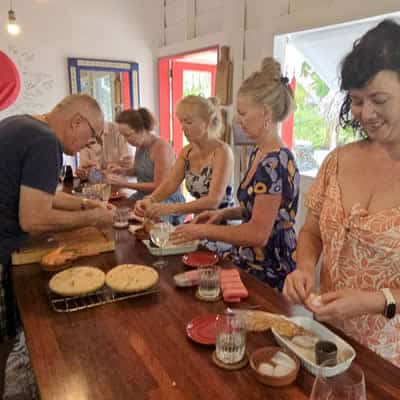
Tapas are also suited to cooking classes.
A group can prepare several dishes at the same time. Participants can practise different methods, including chopping, frying, baking, grilling, seasoning, and plating.
The work is divided across the kitchen. Each person contributes to a larger meal. The final food is then shared.
Papaya Loco offers a Spanish Tapas Cooking Class in Vanuatu. The class includes beef, seafood, and vegetarian tapas made from scratch. Recipes can also be adjusted for dietary allergies.
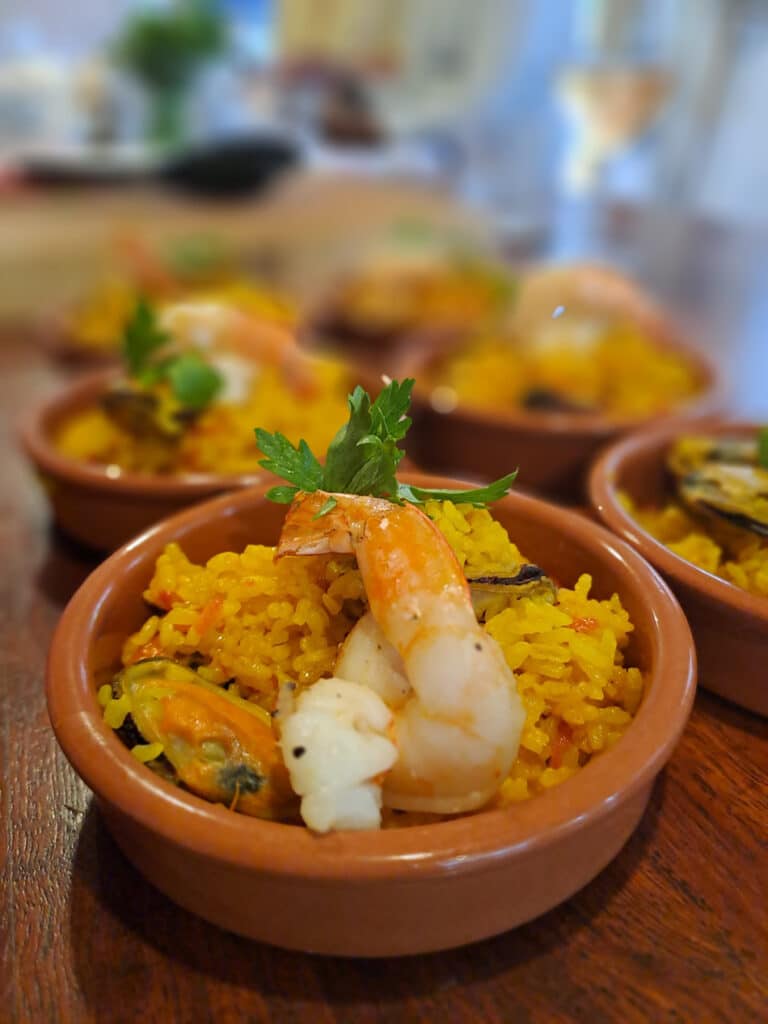
The Paella and Churros Cooking Class explores other Spanish dishes, including paella, churros, and Catalan-style flatbreads. These classes show how Spanish cooking can be taught through active preparation rather than demonstration alone.
Tapas in a Vanuatu setting
A tapas-style meal does not need to copy a Spanish bar exactly.
The setting in Vanuatu is different. Local produce, seafood, climate, and dining customs change how food is prepared and served.
The underlying principle remains useful: prepare several dishes, use fresh ingredients, place them on the table, and allow people to share.
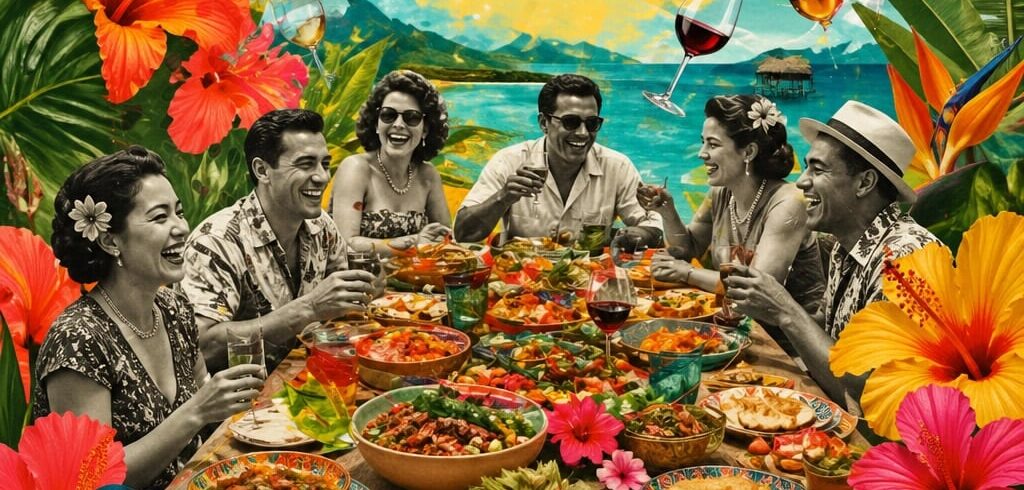
This connects naturally with Papaya Loco’s long-lunch experiences. A long lunch can include several dishes, pauses between courses, and shared preparation. Spanish tortilla, flatbreads, seafood, and other small dishes can sit alongside food from other culinary traditions.
The purpose is not to claim that every shared dish is tapas. The purpose is to understand the structure behind the tradition.
Tapas turn eating into a sequence of small discoveries. They make room for conversation, comparison, and choice.
A tradition built on flexibility
The history of tapas has no confirmed single beginning.
The word probably relates to the practice of covering a drink. The royal stories remain popular, but they are not supported by enough evidence to be treated as established history.
Tapas most likely developed through everyday bar culture in Spain. Small snacks became linked with drinks, socialising, and movement between venues. Regional versions then developed across the country.
The same qualities later made tapas popular internationally:
- Many dishes can be tried in one meal.
- Food can be shared.
- Portions can be adjusted.
- The setting can remain informal.
- Recipes can use local ingredients.
- A group can participate in preparing and eating the food.
Tapas are therefore more than a collection of Spanish recipes. They are a practical way to organise a meal.
That flexibility explains why the tradition continues to appear in kitchens, restaurants, cooking classes, and shared lunches around the world.
Book a Papaya Loco cooking class to explore Spanish cooking through a hands-on experience in Vanuatu.